
"Harar flavor"
600 article(s) found

Introduction to the flavor characteristics of Ethiopian coffee bean-Harald coffee
Professional coffee knowledge exchange more information about coffee beans please follow the coffee workshop (Wechat official account cafe_style) Ethiopia has always been regarded as the birthplace of coffee. When you understand the local way of handling coffee, you can probably understand that this imperial status is well-deserved. Even under the worst production conditions, coffee trees are blocked by other crops from the sun

Brief introduction of main producing areas of Ethiopian Coffee
Hara (Harar) / Solar or dried (Sundried/Dry-Processed) Hara is located in the Eastern Highlands of Ethiopia (Harerge Province) and grows between 5000 and 7000 feet above sea level. It was still wild on slopes a century ago. Most of the raw beans are medium size and have long tips at both ends, with a yellowish or golden green color and strong chocolate when baking.

Ethiopian coffee brand
Following Cafe Review (Wechat official account vdailycom) found that Beautiful Cafe opened a small shop of its own. When it comes to Esther's coffee, you have to say TOMOCA coffee. Fresh TOMACO coffee beans, cooked beans, harar-long bean baked TOMACO coffee know that this coffee is really authentic. TOMACO is also a century-old brand of Ethiopia, go to Ethiopia and ask the best coffee.

How to drink Harald Coffee _ introduction to the main flavor of African Manning-Harald coffee
Professional coffee knowledge exchange more coffee bean information please follow the coffee workshop (Wechat official account cafe_style) do you still know the story of the shepherd who originated from coffee? Once upon a time, there was a town in southern Ethiopia, Kafa, where some red fruits grew. While herding the sheep, a shepherd found that the sheep were very excited after eating the fruit.
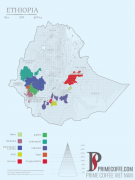
Story of planting grades in Ethiopian Coffee producing area characteristics of flavor and taste of Yega Sidamo coffee beans
As we all know, Ethiopia is the birthplace of coffee. Coffee is the main export commodity grown in Ethiopia. Coffee grown in Ethiopia is famous for its excellent quality and flavor. To this day, Ethiopia is one of the world's largest coffee producers and exporters and is in a leading position in the world.

The difference between sun-drying and washing of Harald coffee beans _ "Wild Rose" Harald coffee quality such as
Professional coffee knowledge exchange more coffee bean information please follow the coffee workshop (Wechat official account cafe_style) Ethiopia has unique natural conditions suitable for growing all imaginable coffee varieties. One of the most famous Ethiopian Harald, Harald is located in eastern Ethiopia, Harald is an ancient city with a long history, but also the fourth Islamic

Harald Coffee with the most complex and varied flavor in Ethiopia
[product name] Harald (Harar-4) [place] Ethiopia (Ethiopia) [place] recommended roasting degree: urban roasting or deep urban roasting [cup review] medium to slightly sour, full taste, strong mocha flavor and iconic blueberry flavor of the Harald region of western Ethiopia, the general conventional species, the tree species are very powerful coffee.

Harald Coffee with the most complex and varied flavor in Ethiopia
[product name] Harald (Harar-4) [place] Ethiopia (Ethiopia) [place] recommended roasting degree: urban roasting or deep urban roasting [cup review] medium to slightly sour, full taste, strong mocha flavor and iconic blueberry flavor of the Harald region of western Ethiopia, the general conventional species, the tree species are very powerful coffee.

Introduction of Coffee planting and Primary processing Ethiopian ritual species taste characteristics Variety Grinding scale
Coffee cultivation and initial processing the taste characteristics of Ethiopian ritual varieties grinding scale introduction ET has long been one of the top ten coffee producing areas in the world, but also a pioneer in African producing areas. ET has a federal department, the coffee and tea Authority, that specializes in coffee and tea-related matters, such as setting purchase prices for washing plants. ET produces a lot of coffee, but it is similar to

Harald coffee, the most complex and diverse coffee in Ethiopia.
[product name] Harald (Harar-4) [place] Ethiopia (Ethiopia) [place] recommended roasting degree: urban roasting or deep urban roasting [cup review] medium to slightly sour, full taste, strong mocha flavor and iconic blueberry flavor of the Harald region of western Ethiopia, the general conventional species, the tree species are very powerful coffee.
Ethiopian coffee, the most complex and diverse Harald coffee.
[product name] Harald (Harar-4) [place] Ethiopia (Ethiopia) [place] recommended roasting degree: urban roasting or deep urban roasting [cup review] medium to slightly sour, full taste, strong mocha flavor and iconic blueberry flavor of the Harald region of western Ethiopia, the general conventional species, the tree species are very powerful coffee.
Boutique coffee beans introduce Harald coffee
[product name] Harald (Harar-4) [place] Ethiopia (Ethiopia) [place] recommended roasting degree: urban roasting or deep urban roasting [cup review] medium to slightly sour, full taste, strong mocha flavor and iconic blueberry flavor of the Harald region of western Ethiopia, the general conventional species, the tree species are very powerful coffee.
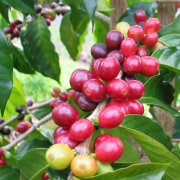
Harald boutique coffee Ethiopian coffee
Harald (Harar) is located in the Eastern Highlands of Ethiopia (Harerge province) and grows between 5000 and 7000 feet above sea level. Most of the raw beans are medium size and long at both ends, with yellow or golden green color, strong chocolate smell when baking, wild taste with moderate acidity and rich texture, is a very typical mocha flavor, good Hara with

What are the boutique coffees in Ethiopia's high-altitude areas?
Ethiopian coffee is mostly produced in the plateau above 2000 meters above sea level, and the major producing areas are: Djimma; Gunby; Yirgachefe; Sidamo; Harald; Harar; and Harald coffee grows from Daroleb (Darolebu). The plain is 900 meters above sea level to the Sheikh Sheikh (C) in the highlands of eastern Ethiopia.

Ethiopian coffee is mainly produced in the plateau above 2000 meters above sea level.
Ethiopian coffee is mostly produced in the plateau above 2000 meters above sea level, and the major producing areas are: Djimma; Gunby; Yirgachefe; Sidamo; Harald; Harar; and Harald coffee grows from Daroleb (Darolebu). The plain is 900 meters above sea level to the Sheikh Sheikh (C) in the highlands of eastern Ethiopia.
Harald Coffee
Harald (Harar) is 1600 meters above sea level, and the Harald Heights in eastern Ethiopia is one of the highest elevation areas for human coffee cultivation (some even claim to be as high as 2000 Murray 2,700 meters).
Ethiopia's highlands are the birthplace of coffee
The Ethiopian plateau is the birthplace of coffee. In the east, near Harrar, the ancient capital, mocha beans (Harrar,Harari,Harer or Harar) are still produced by traditional drying methods at an altitude of about 2,000 meters above sea level.

How to produce coffee Harald coffee beans in the highland mountains of eastern Ethiopia
Ethiopian Harald Ethiopian coffee is mostly produced in the plateau above 2000 meters above sea level, with large producing areas such as Djimma, Gambi, Yirgachefe, Sidamo and Harald (Harar). Among them, Montenegro in Harald is the only place in the world with wild coffee, which is auctioned in London every year.
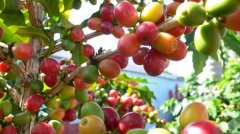
Harald is located in the eastern highlands of Ethiopia and is between 5000 and 7000 feet above sea level.
Harald (Harar) is located in the Eastern Highlands of Ethiopia (Harerge province) and grows between 5000 and 7000 feet above sea level. Most of the raw beans are medium size and long at both ends, with yellow or golden green color, strong chocolate smell when baking, wild taste with moderate acidity and rich texture, is a very typical mocha flavor, good Hara with
The highland of Ethiopia is the birthplace of coffee.
The highlands of Ethiopia are the birthplace of coffee. The traditional drying method is still used to produce mocha-Hara beans (Harrar,Harari,Harer or Harar) at an altitude of about 2,000 meters near Harrar in the east. Hara has a medium texture with a fruit wine-like flavor, and a good Hara is as wild as the best Yemenmoka. Dried beans from other areas, such as